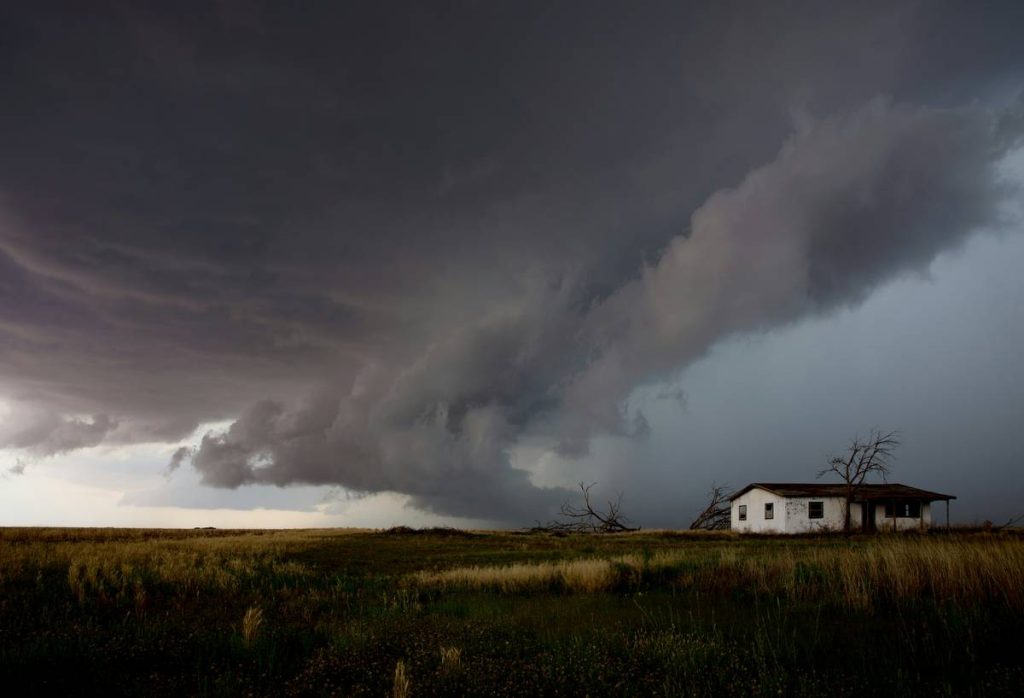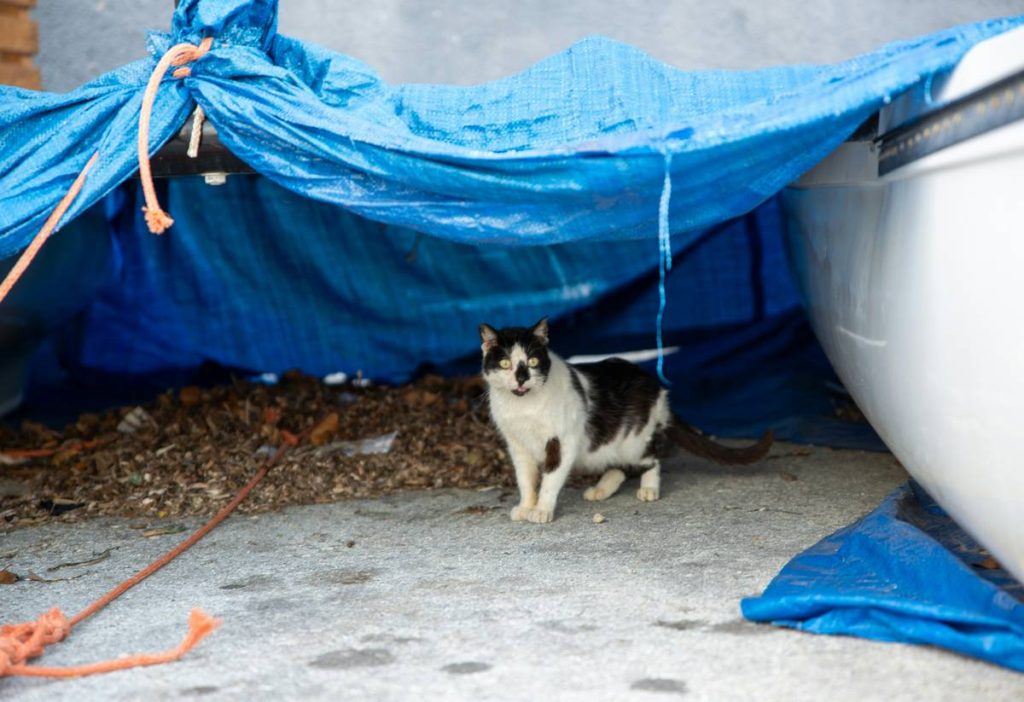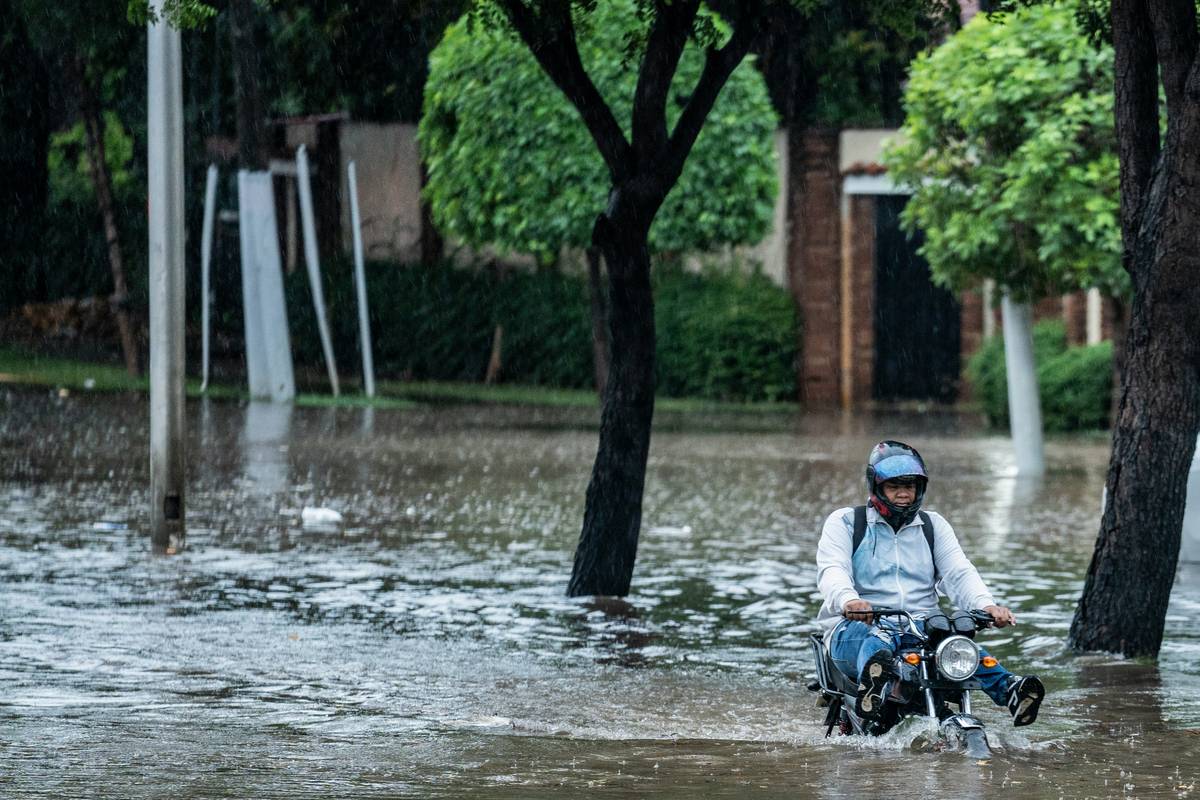
When Hurricane Laura slammed the Gulf Coast in 2020, my neighbor lost her home—and nearly her dog. She’d assumed standard pet insurance covered storm-related vet bills. It didn’t. That painful surprise cost her $3,200 out of pocket. If you’re a pet owner in a hurricane-prone area like Long Beach, “Flood Protection for Pets” isn’t just jargon—it’s your emergency lifeline. In this guide, we’ll break down exactly how to secure real coverage, avoid predatory policies, and use your plan when disaster strikes.
Table of Contents
- Why Flood Protection for Pets Matters
- Step-by-Step Guide to Securing Coverage
- Best Practices for Storm-Ready Pet Insurance
- Real-World Case Studies
- Frequently Asked Questions
Key Takeaways
- Standard pet insurance rarely includes flood or hurricane coverage—you must add it explicitly.
- Waiting periods of 14–30 days mean you can’t buy coverage once a storm is forecasted.
- Policies with “accident-only” plans often exclude storm-related injuries; comprehensive plans are essential.
- Document pre-existing conditions thoroughly to avoid claim denials during emergencies.
- Always verify if evacuation costs (e.g., pet-friendly hotels) are covered—a frequent gap.
Why Flood Protection for Pets Matters
Hurricanes don’t discriminate between houses and kennels. Rising floodwaters, debris, and contaminated environments put pets at extreme risk for injury, infection, or displacement. Yet, fewer than 20% of U.S. pet owners have insurance that addresses natural disasters, according to a 2023 North American Pet Health Insurance Association (NAPHIA) report. Without explicit Flood Protection for Pets provisions, you could face bills for trauma care, boarding during evacuations, or even rescue coordination—all while rebuilding your own life.
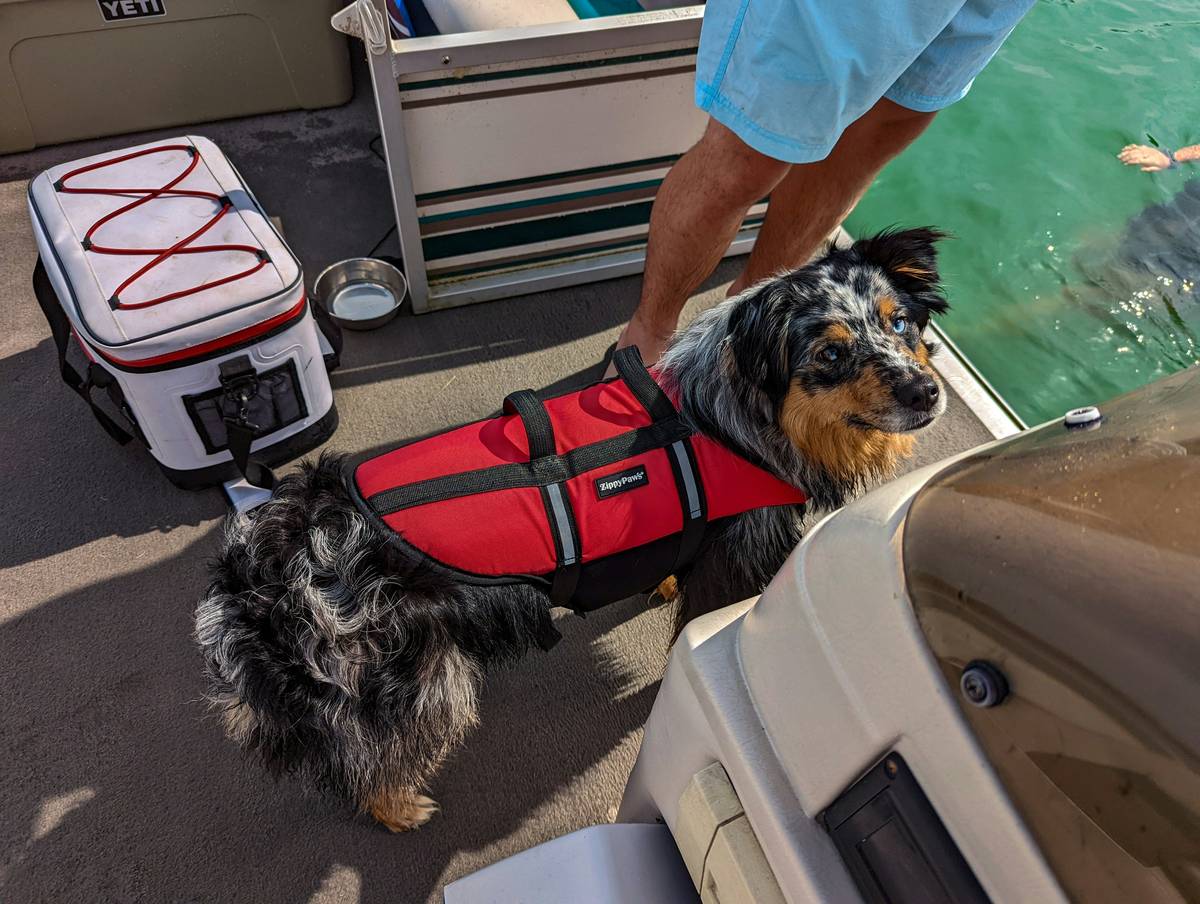
Step-by-Step Guide to Securing Coverage
1. Audit Your Current Policy
Open your policy document and search for “natural disaster,” “flood,” or “emergency evacuation.” If absent, you lack critical safeguards. Most basic plans only cover accidents and illnesses unrelated to weather events.
2. Compare Riders vs. Standalone Plans
Some insurers (like Trupanion or Healthy Paws) offer storm coverage as an add-on rider. Others, such as Nationwide’s Whole Pet with Wellness plan, bundle it. Riders are cheaper but may cap reimbursements. Standalone comprehensive plans offer higher limits—ideal for high-risk zones.
3. Confirm Waiting Periods and Exclusions
Federal law prohibits insurers from selling new coverage once a named storm forms. Typical waiting periods run 14 days for illnesses and up to 30 for “acts of God.” Don’t wait—act now. Also, check for breed-specific exclusions; some deny coverage for brachycephalic dogs (like pugs) due to respiratory risks in heat or stress.
4. Document Everything Pre-Storm
Take dated photos of your pet’s health, vaccination records, and microchip number. This proves baseline wellness if you file a claim post-flood. I learned this the hard way after assuming my vet’s digital records would suffice—they demanded paper trails.
Best Practices for Storm-Ready Pet Insurance
- Avoid “accident-only” traps: These exclude illnesses caused by floodwater exposure (e.g., leptospirosis). Opt for comprehensive coverage.
- Budget for deductibles upfront: High-deductible plans save premiums but strain budgets mid-crisis. Choose what you can pay instantly during chaos.
- Verify telehealth access: Post-storm vet shortages are common. Insurers like Lemonade offer 24/7 virtual consults—critical when clinics are underwater.
- Never skip renewal: A lapsed policy = zero protection. Set calendar alerts 30 days before expiry.
Real-World Case Studies
In 2022, Miami resident Elena evacuated ahead of Hurricane Ian with her senior cat. Her insurer covered $1,200 for a pet-friendly hotel stay and $850 for stress-induced urinary treatment—thanks to her plan’s explicit Flood Protection for Pets clause. Contrast this with Texas dog owner Mark, whose “accident-only” policy denied his pup’s $2,100 leptospirosis bill because floodwater exposure was deemed “environmental, not accidental.” Data from FEMA shows 68% of denied pet claims stem from ambiguous policy language around natural disasters.
Frequently Asked Questions
Does pet insurance cover boarding during mandatory evacuations?
Only if your policy includes “emergency boarding” or “temporary shelter” benefits. Always confirm this before buying.
Can I get flood coverage if I live near Long Beach coastal zones?
Yes—but insurers may charge higher premiums. Compare quotes via the California Department of Insurance’s rate comparison tool.
Are pre-existing conditions excluded from storm-related claims?
Generally, yes. However, if a pre-existing arthritis flare-up worsens due to flood exposure, some insurers may partially cover it if documented as a direct consequence.
What’s the biggest mistake pet owners make with hurricane insurance?
Waiting until a storm warning is issued. As noted by the Federal Emergency Management Agency (FEMA), coverage cannot be activated once a hurricane is named.
How soon after flooding should I file a claim?
Within 48 hours. Delays increase denial risk due to alleged lack of urgency or documentation gaps.
Does “Flood Protection for Pets” cover rescue or recovery costs?
Rarely. These usually fall under civil authority expenses. Check if your homeowners’ insurance includes pet-related loss mitigation—sometimes it overlaps better than pet policies.
Conclusion
Don’t let paperwork drown your peace of mind. True Flood Protection for Pets means reading the fine print, acting before skies darken, and knowing your insurer’s limits. At Long Beach Computer Dealer, we may specialize in tech—but we’ve seen too many neighbors unprepared when storms hit. Secure your pet’s safety net today. Have questions? Reach out to our team—we’re local, responsive, and committed to your family’s resilience. For transparency on data handling, review our Privacy Policy. And learn more about our community roots on our About Us page.
Remember: In flood season, love barks louder than water rises.