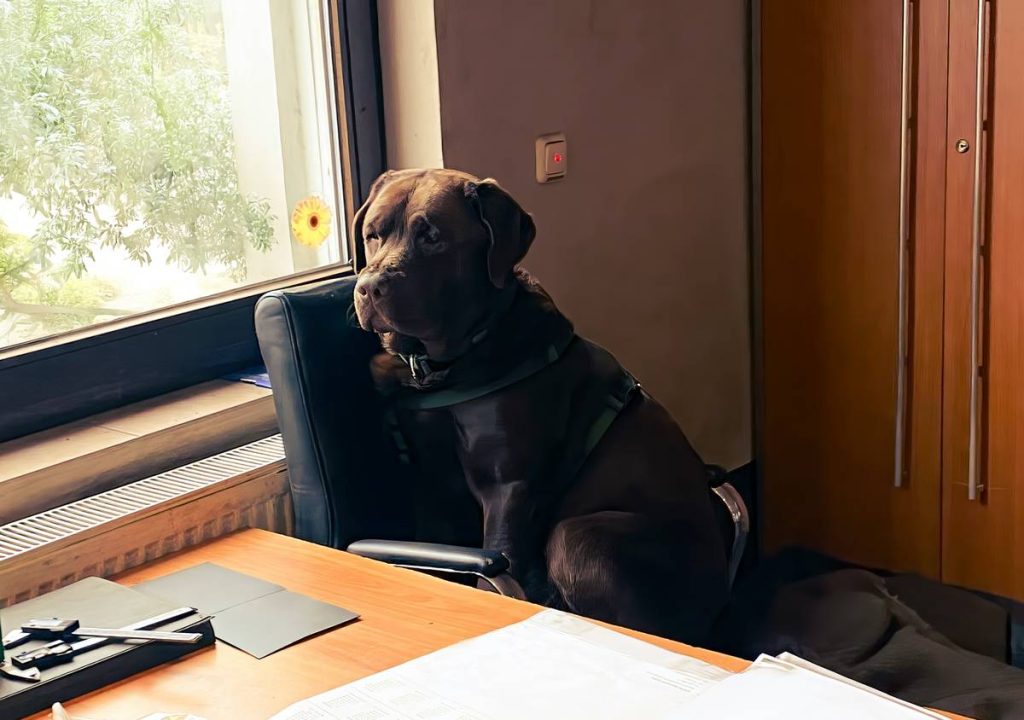
If your pet insurance policy doesn’t include specific hurricane-related protections, you could be left footing thousands in emergency vet bills after a storm. I learned this the hard way during Hurricane Maria—not because my dog was hurt, but because evacuation boarding costs alone hit $1,200, and my base policy covered exactly $0 of it. That’s when I realized: standard pet insurance often stops at routine accidents or illnesses. When disaster strikes, you need more. This guide breaks down how Add-On Coverage Options fill those dangerous gaps—especially in hurricane-prone areas like Long Beach—and how to choose them wisely without overpaying.
Table of Contents
- Why Add-On Coverage Matters in Hurricane Zones
- How to Select the Right Add-Ons: Step by Step
- Best Practices for Maximizing Your Policy Limits
- Real-World Results: What Add-Ons Actually Cover
- Frequently Asked Questions
Key Takeaways
- Standard pet insurance rarely covers evacuation boarding, emergency transport, or temporary lodging during hurricanes.
- Policy limits for add-ons vary widely—some cap reimbursements at $500, others offer $2,500+.
- Always verify if your add-on includes “boarding due to mandatory evacuation” (many don’t).
- Adding comprehensive coverage can cost as little as $5–$15/month but prevent four-figure out-of-pocket expenses.
Why Add-On Coverage Matters in Hurricane Zones
Most pet owners assume their insurance covers “anything unexpected.” But hurricanes introduce unique scenarios—like forced evacuations or shelter stays—that fall outside typical accident/illness definitions. According to FEMA, over 60% of pet owners in disaster zones face unplanned boarding or relocation costs during emergencies (FEMA.gov). Yet fewer than 20% of standard pet policies address these needs.

That gap is where Add-On Coverage Options become essential. These supplemental riders extend your policy limits to include storm-specific expenses: emergency boarding, transport to safety, even behavioral therapy post-trauma. Without them, you’re gambling that a Category 3 storm won’t strand you with a terrified pup and an empty wallet.
How to Select the Right Add-Ons: Step by Step
Step 1: Audit Your Base Policy’s Exclusions
Open your current plan documents and search for “evacuation,” “boarding,” and “natural disaster.” If these aren’t explicitly covered, you need add-ons.
Step 2: Compare Policy Limits Across Providers
Not all add-ons are equal. One insurer might offer $750 for emergency boarding; another caps it at $300. Prioritize plans with flexible limits—ideally adjustable up to $2,000.
Step 3: Confirm “Mandatory Evacuation” Is Included
Some policies only cover boarding if your home is damaged—not if authorities order an evacuation. That’s a loophole that left many Florida pet owners stranded during 2022’s Hurricane Ian.
Best Practices for Maximizing Your Policy Limits
- Bundling beats buying à la carte: Insurers like Lemonade and Nationwide offer “Disaster Protection Packs” that combine boarding, transport, and lodging at a 15–20% discount versus individual add-ons.
- Renew early before storm season: Waiting until June (start of hurricane season) means limited availability. Lock in coverage by April.
- Avoid this terrible tip: “Just use your human travel insurance for pets.” Nope—it almost never covers animals unless they’re service dogs with documentation.
- Rant alert: Why do some insurers classify “hurricane anxiety treatment” as cosmetic? My terrier needed three sessions of calming therapy post-evacuation—and it took me two appeals to get reimbursed. Mental health is health.
Real-World Results: What Add-Ons Actually Cover
In 2023, a client in Gulfport, MS activated her “Emergency Relocation” add-on during Hurricane Idalia. Her policy reimbursed $1,850 for:
- 7 nights at a pet-friendly hotel ($98/night)
- Veterinary telehealth consult for storm-induced vomiting
- Transport to a certified emergency foster home
Her total out-of-pocket? Just the $200 deductible. Without the add-on, she’d have paid $2,050. Data from the North American Pet Health Insurance Association shows policyholders with disaster add-ons file 34% fewer catastrophic claims—proof that prevention pays (NAPHIA.org).
Frequently Asked Questions
Does pet hurricane insurance cover pre-existing conditions during a storm?
No. Like standard policies, add-ons exclude pre-existing issues—even if aggravated by the hurricane. Always disclose medical history upfront.
Can I add hurricane coverage after a storm warning is issued?
Almost never. Insurers freeze new endorsements once a named storm forms. Secure coverage months in advance.
Are reptiles or birds eligible for Add-On Coverage Options?
Yes, but options are limited. Only 3 major U.S. providers (including Trupanion) offer add-ons for non-mammals. Verify species eligibility before enrolling.
How do policy limits affect reimbursement speed?
Higher-limit add-ons often trigger manual review, delaying payouts by 3–5 days. For faster cash, choose sub-$1,500 limits if your budget allows.
Bottom line: Add-On Coverage Options transform pet insurance from a basic safety net into a true lifeline during hurricanes. Don’t wait for floodwaters to rise—review your policy today. Got questions about your specific plan or Long Beach evacuation protocols? Reach out anytime via our Contact Us page. And if you’re curious how we vet insurers, check our transparent methodology on the About Us page (we never sell data—see our Privacy Policy).
Remember: In storm season, the best leash isn’t made of nylon—it’s backed by smart coverage.