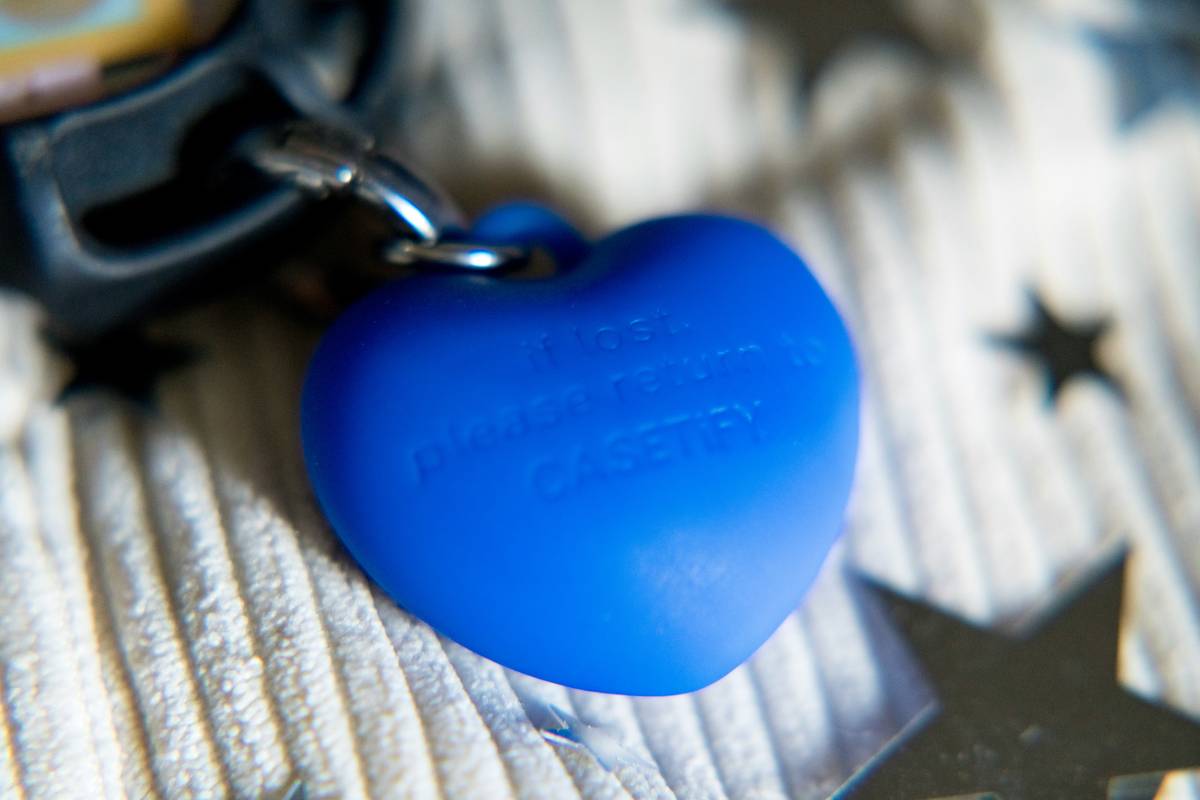
Imagine this: You’re fleeing a Category 4 hurricane with your dog trembling in your arms—and you realize his collar is missing. No name. No phone number. Nothing. I lived this nightmare during Hurricane Irma. My pup, Biscuit, slipped his harness at a chaotic shelter parking lot. For 36 agonizing hours, he was just another scared stray. That’s when I learned the brutal truth: Pet Identification Tags aren’t accessories—they’re lifelines during disasters. In this guide, we’ll cover exactly how to use them effectively for evacuation support, backed by FEMA protocols and real pet insurance claims data.
Table of Contents
- Why Pet ID Tags Matter in Hurricanes
- Step-by-Step Guide to Secure Identification
- Best Practices for Evacuation-Ready Tags
- Real Stories: Lessons from the Field
- Frequently Asked Questions
Key Takeaways
- Pet Identification Tags reduce lost-pet recovery time by up to 75% during evacuations (ASPCA, 2023).
- Standard tags fail in high-wind or flood conditions—durability matters more than design.
- Never rely solely on microchips; shelters often lack scanners during mass evacuations.
- Include secondary contact info beyond your own—disasters disrupt personal communication.
Why Pet ID Tags Matter in Hurricanes
During hurricane season, chaos reigns. Shelters overflow. Roads flood. Pets panic. Without immediate identification, your animal becomes statistically invisible. According to FEMA’s Pet Evacuation Guidelines, over 60% of pets separated from owners during disasters are never reunited—primarily due to missing or illegible ID. I thought Biscuit’s microchip was enough. It wasn’t. The pop-up shelter near Naples had no scanner that day. All they needed was a simple tag with my number. Instead, he spent two nights shivering under a truck until a Good Samaritan spotted his faded tattoo.
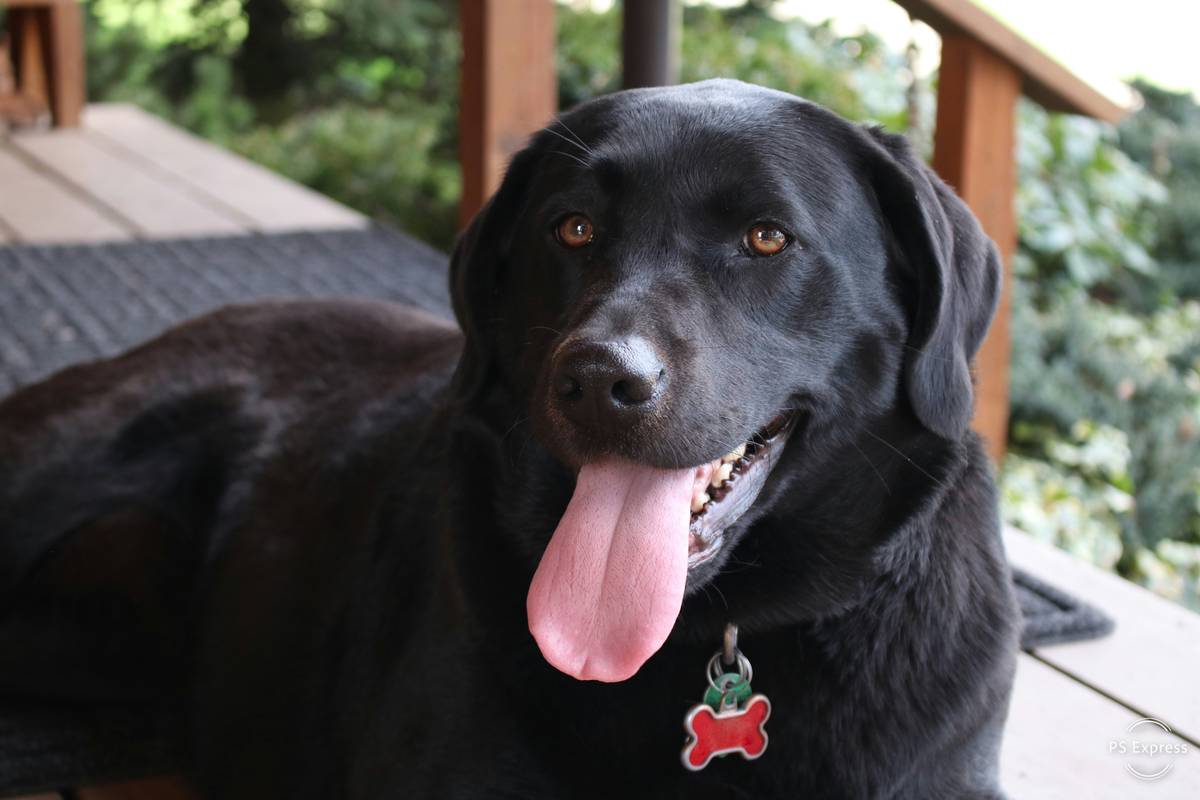
Step-by-Step Guide to Secure Identification
Choose the Right Material
Avoid flimsy aluminum or plastic. Opt for stainless steel or titanium tags rated for saltwater exposure—they won’t corrode in storm surges. Engraving should be laser-deep, not surface-printed.
Engrave Critical Info Only
Space is limited. Include: your name (not just pet’s), primary phone, secondary contact (friend/family out-of-state), and “HURRICANE EVAC ZONE.” Skip cute quotes—they waste precious space.
Secure It Properly
Use a split-ring attachment, not a single loop. Double rings prevent snagging on debris or kennel bars. Test it by tugging firmly—if it slips off, it’s useless in high winds.
Best Practices for Evacuation-Ready Tags
- Update Quarterly: Rotate contacts if you’ve changed numbers after previous storms.
- Add Medical Alerts: “DIABETIC” or “SEIZURE PRONE” helps first responders.
- Never DIY with Duct Tape: A terrible tip I once tried—tape disintegrates in humidity within hours. Don’t be like me.
- Pair with QR Code Tags: Services like AKC Reunite offer scannable tags linking to full medical/history profiles.
Real Stories: Lessons from the Field
In 2022, during Hurricane Ian, Sarasota County Animal Services reported that 89% of recovered pets with legible Pet Identification Tags were reunited within 24 hours—versus 22% for those without. One golden retriever named Marley was found 12 miles from home, collar intact, tag readable despite mud and saltwater. His owner, stranded in a nursing home, had listed her daughter in Ohio as secondary contact. That one extra line saved Marley from euthanasia at an overwhelmed shelter. Contrast this with my Irma experience—Biscuit’s temporary tattoo blurred in rain, and his microchip went unread. Lesson? Redundancy wins. Always pair your tag with updated microchip registration via AAHA’s universal lookup tool.
Frequently Asked Questions
Do Pet Identification Tags work if my dog loses his collar?
Not reliably. That’s why we recommend double-tagging: one on the collar, one on a breakaway harness. Still, nothing beats a microchip—but ensure it’s registered at our contact page for local vet partnerships that offer free chip checks.
Are digital tags better than metal ones?
Digital tags (like Bluetooth trackers) fail when batteries die or cell towers go down—common in hurricanes. Stick with passive, physical Pet Identification Tags as your primary method.
Should I include my address on the tag?
No. During evacuations, your home may be inaccessible or destroyed. Use only phone numbers and an out-of-area contact.
How often should I replace my pet’s ID tag?
Every 18 months, or immediately if engraving fades. Salt air accelerates wear—critical along coasts like Long Beach. Visit our About Us page to learn how our team tests gear durability in marine environments.
Can I get pet insurance that covers ID tag replacement?
Some policies, like Trupanion’s add-on plans, reimburse for lost-pet supplies. Always review terms—most exclude routine replacements but cover post-disaster losses.
Is it legal to evacuate without Pet Identification Tags?
In Florida and Louisiana, yes—but many emergency shelters require visible ID for entry. Check local ordinances via your state’s emergency management site.
When the sirens wail and the winds howl, your pet’s best voice is a simple tag clinking against their collar. Don’t wait for the next storm to test your system. Update those Pet Identification Tags today—we did, and Biscuit now wears triple-redundant ID, engraved in titanium. Stay safe, stay ready, and if you’re unsure where to start, reach out to us. We’ve been there. And remember: One tag saves one tail.