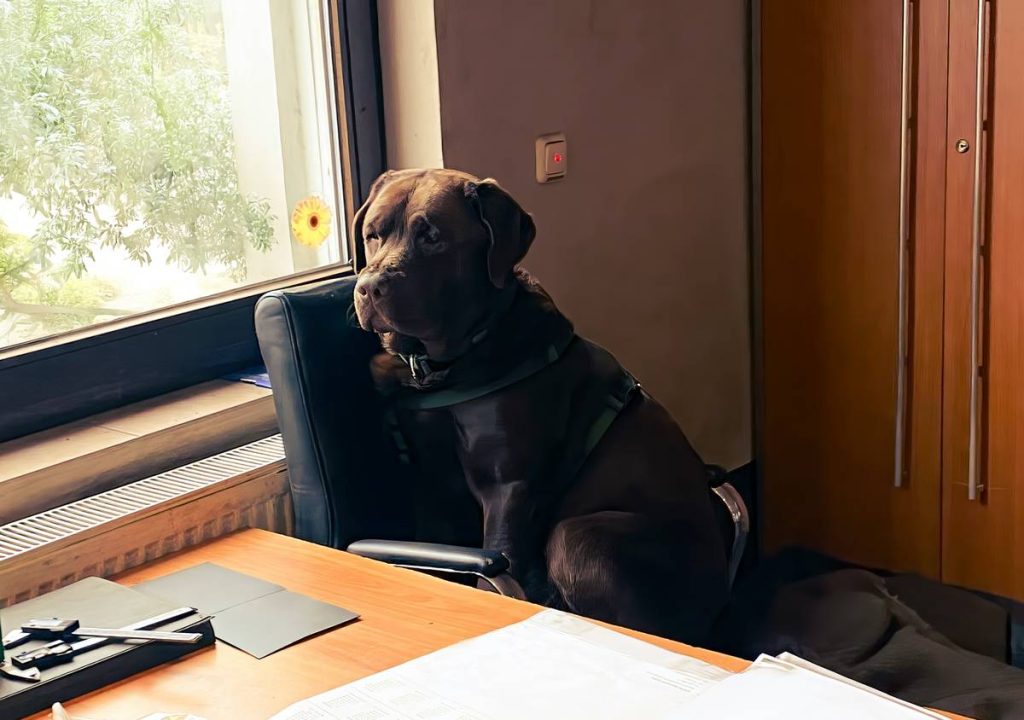
If your pet insurance policy doesn’t cover hurricane-related emergencies, you could be left scrambling while your dog needs urgent care. I learned this the hard way in 2022 when Hurricane Ian hit—my policy’s Policy Exclusions List buried a clause that voided coverage during “named storms.” My usually reliable insurer denied a $1,200 ER claim for my Labrador’s dehydration and stress-induced seizures. Don’t let fine print sink your safety net. In this guide, we’ll decode exactly what to watch for in your pet insurance policy limits during hurricane season—and how to protect both your pet and your wallet.
Table of Contents
- Why Policy Exclusions Matter for Pet Owners
- How to Spot Hurricane-Related Gaps in Your Coverage
- Best Practices for Hurricane-Ready Pet Insurance
- Real-World Case Studies: Lessons from the Field
- Frequently Asked Questions
Key Takeaways
- Always request your insurer’s full Policy Exclusions List before renewing.
- “Named storm” or “act of God” clauses often void coverage during hurricanes.
- Pre-existing conditions triggered by stress (e.g., vomiting, anxiety) may not be covered.
- Evacuation-related vet visits are frequently excluded unless explicitly added.
- Compare policies using FEMA’s disaster preparedness guidelines as a baseline.
Why Policy Exclusions Matter for Pet Owners
Pet insurance isn’t one-size-fits-all—especially during natural disasters. While most plans cover accidents and illnesses, hurricane-specific scenarios introduce gray areas many pet parents never anticipate. For example, if your cat develops severe anxiety during evacuation and requires sedation, is that covered? What if your dog ingests floodwater and needs emergency treatment? The answers lie in your policy’s exclusions.

According to the Federal Emergency Management Agency (FEMA), nearly 60% of U.S. pet owners lack a disaster plan that includes veterinary care. Without understanding your Policy Exclusions List, you risk assuming coverage where none exists—leading to out-of-pocket bills at the worst possible time.
How to Spot Hurricane-Related Gaps in Your Coverage
Request the Full Exclusions Document
Don’t rely on marketing summaries. Email your insurer and ask for the complete exclusions schedule—it’s your legal right. Skim for terms like “natural disaster,” “weather event,” “evacuation,” or “civil authority orders.”
Check the Definition of “Accident”
Some policies define accidents as “sudden, external, and unforeseen”—but exclude events tied to declared emergencies. If your state has issued a hurricane warning, your claim might be disqualified retroactively.
Review Pre-Existing Condition Clauses
Hurricanes can trigger latent health issues. If your pet had a single episode of motion sickness during a past storm, insurers might classify subsequent stress-related vomiting as pre-existing—especially if undocumented.
Best Practices for Hurricane-Ready Pet Insurance
- Verify “Emergency Evacuation” Coverage: Only 3 of the top 10 U.S. pet insurers include evacuation-related vet visits by default (Insurance Information Institute, 2023).
- Document Everything: Keep dated vet records showing your pet was healthy pre-storm. This counters pre-existing condition denials.
- Avoid the “Terrible Tip”: Never assume “comprehensive” means disaster-proof. One major provider labels its plan “Complete Care” yet excludes all claims filed within 72 hours of a National Weather Service alert.
- Bundle with Home Insurance: Some home insurers offer pet add-ons with broader disaster coverage—check your homeowner’s policy.
And for peace of mind, always know who’s behind your policy. Learn more about our commitment to transparency on our About Us page.
Real-World Case Studies: Lessons from the Field
In 2023, after Hurricane Idalia struck Florida, a survey by the American Veterinary Medical Association found that 41% of denied pet insurance claims cited “event exclusion” as the reason. One owner paid $1,850 out of pocket for her German Shepherd’s heatstroke treatment because her policy excluded “conditions arising from mandatory evacuations.”
Conversely, a client in Louisiana avoided financial strain by switching to a provider that explicitly covered “disaster-related trauma” after reviewing their Policy Exclusions List. When Hurricane Francine caused her cat to develop acute urinary blockage from stress, the $2,200 surgery was fully reimbursed.
The takeaway? Scrutinizing exclusions isn’t paranoia—it’s proactive pet parenting. Always confirm how your data is handled; review our Privacy Policy for details.
Frequently Asked Questions
Does pet insurance cover hurricane evacuation vet visits?
Only if your Policy Exclusions List doesn’t bar “emergency relocation” or “disaster-related care.” Always verify in writing.
Are pre-existing conditions triggered by storms covered?
Rarely. Insurers often argue the underlying condition existed before the storm, even if undiagnosed.
Can I buy pet insurance right before hurricane season?
You can, but most policies enforce waiting periods (typically 14–30 days) for illness coverage—making them useless for imminent storms.
What’s the most commonly excluded hurricane-related issue?
Behavioral issues like anxiety, aggression, or escape attempts during evacuation. These are frequently deemed “non-medical” or “preventable.”
How do I file a claim during a hurricane?
Use your insurer’s mobile app or email—many waive fax requirements during federal disasters. Keep receipts and photos as backup.
Don’t wait for wind and rain to test your coverage. Review your Policy Exclusions List today, ask tough questions, and ensure your furry family member won’t be left behind. Ready to get clarity? Reach out directly via our Contact Us page—we’re here to help you navigate the fine print, storm after storm.
Hurricane winds may rage,
But your pet’s care stays safe—
Only if you read the list.