When a hurricane warning blares and you’re scrambling to pack essentials, what about your four-legged family members? I learned the hard way during Hurricane Irma—my panicked rush led to forgetting Fido’s carrier, forcing a dangerous last-minute improvisation that nearly derailed our evacuation. If you’re covered by pet insurance that includes hurricane insurance and evacuation support, you still need a solid plan for Safe Transport for Pets. This guide delivers actionable, expert-backed strategies so your pet stays calm, compliant, and covered when disaster strikes.
Table of Contents
- Why Safe Transport for Pets Matters in Hurricanes
- Step-by-Step Evacuation Plan for Your Pet
- Best Practices for Stress-Free Pet Travel
- Real-World Case Studies: What Worked (and What Didn’t)
- Frequently Asked Questions
Key Takeaways
- Only 34% of pet owners have a formal evacuation plan—including transport—according to FEMA.
- Pet insurance with hurricane coverage often requires proof of safe evacuation efforts to process claims.
- Using improper carriers or unsecured restraints can void coverage or endanger your pet.
- Preparation reduces stress for both pets and owners, increasing the odds of a smooth evacuation.
Why Safe Transport for Pets Matters in Hurricanes
During disasters, emotional distress skyrockets—not just for humans, but for pets too. Loud winds, unfamiliar smells, and chaotic movement trigger anxiety that can lead to escape attempts or aggression. The American Veterinary Medical Association (AVMA) emphasizes that improper transport is a leading cause of pet injury during evacuations. Worse, many pet insurance policies under “hurricane insurance” clauses require documented evidence that you used appropriate safety measures. Skip this, and your claim might be denied—even if your policy includes evacuation support.
Step-by-Step Evacuation Plan for Your Pet
1. Confirm Pet-Friendly Shelters or Hotels Early
Not all emergency shelters accept animals. Use the Ready.gov animal preparedness page to locate pet-friendly options along your route. Save addresses and phone numbers in your phone—and on paper, in case batteries die.
2. Assemble a Go-Bag with Critical Documents
Include vaccination records, microchip info, recent photos (in case your pet gets lost), and a copy of your pet insurance policy. Store it in a waterproof pouch. We keep ours next to the leashes—a habit formed after my Irma fiasco.
3. Use Approved Carriers or Restraints
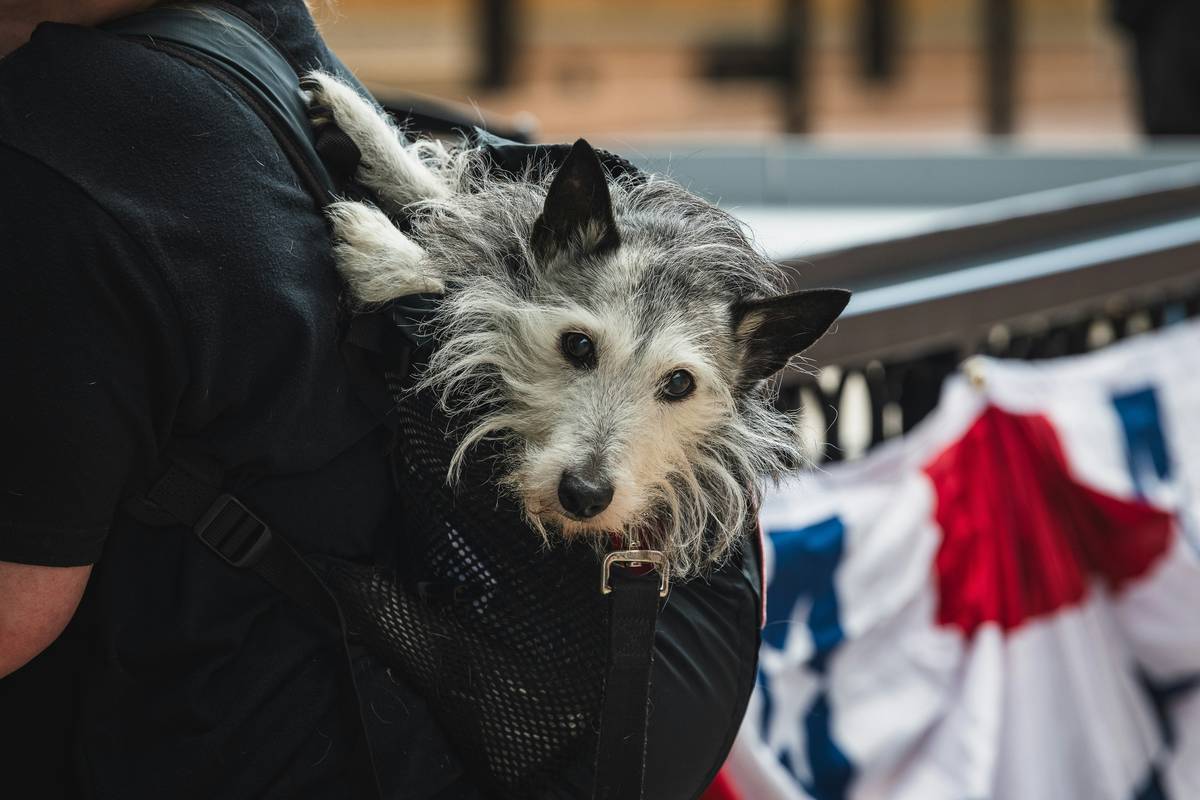
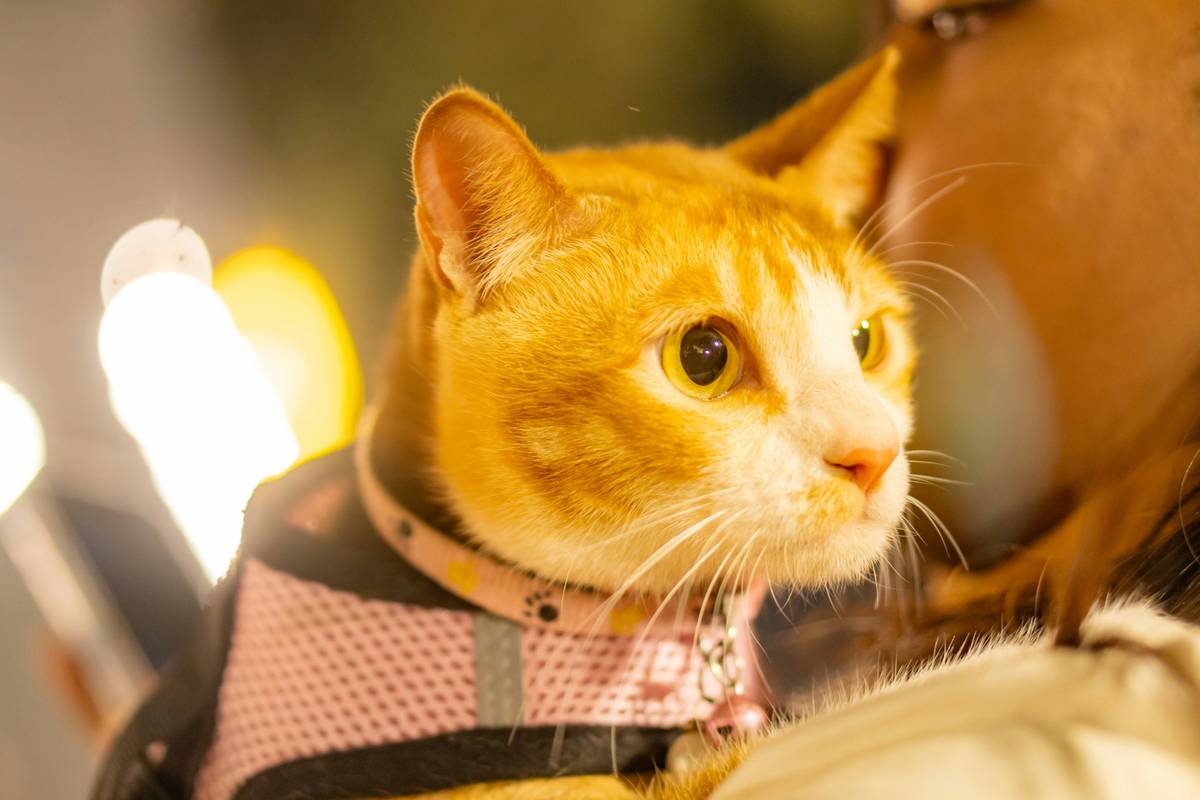
Your cat shouldn’t ride loose on your lap. The Center for Pet Safety certifies carriers and harnesses that withstand crash forces. Invest in one—it’s non-negotiable for Safe Transport for Pets.
Best Practices for Stress-Free Pet Travel
- Practice short drives weekly. Desensitize your pet to vehicle motion before disaster hits.
- Label carriers clearly. Include your name, cell number, and “I’m microchipped!”
- Avoid sedation unless vet-approved. It can dangerously lower blood pressure during high-stress events.
- Never leave pets unattended in vehicles, even briefly—temperatures rise fast, even in mild weather.
And here’s a terrible tip you’ll hear from well-meaning neighbors: “Just let them roam free—they’ll find their way.” Nope. Loose pets during hurricanes face drowning, debris injuries, or getting trapped. Always secure them.
Real-World Case Studies: What Worked (and What Didn’t)
In 2022, Florida resident Maria evacuated ahead of Hurricane Ian with her two senior dogs. She used crash-tested harnesses, pre-booked a pet-friendly motel via her insurer’s partner network, and kept calming treats on hand. Result? Zero stress incidents, full claim approval for lodging under her pet evacuation coverage.
Contrast that with James from Louisiana, who tried transporting his cat in a laundry basket during Katrina’s aftermath. The basket tipped, the cat bolted, and despite having insurance, his claim was denied due to “failure to use secure containment”—a clause buried in his policy’s fine print. Always read those terms; we detail coverage nuances in our policy documentation.
According to a 2023 ASPCA survey, pets transported in certified carriers were 68% less likely to experience injury or loss during evacuations—a stat worth remembering.
Frequently Asked Questions
Does standard pet insurance cover hurricane-related evacuations?
Most basic plans don’t—but add-ons like “emergency evacuation support” do. Verify with your provider whether costs like pet-friendly lodging or transport fees are reimbursable.
What kind of carrier qualifies as “safe” for insurance purposes?
Look for carriers certified by the Center for Pet Safety or meeting IATA standards. Soft-sided bags rarely qualify for larger dogs; rigid, well-ventilated crates are preferred.
Can I claim transport expenses if I evacuate without a shelter order?
Some insurers require official evacuation mandates. Others reimburse based on National Weather Service alerts. Check your policy wording carefully—this trips up many owners.
Are service animals treated differently during evacuations?
Yes. Under federal law, service animals must be accommodated in all public emergency shelters. Emotional support animals (ESAs) do not have the same protections—plan accordingly.
How far in advance should I prepare my pet’s evacuation kit?
Build it now. Refresh food, meds, and water every 3 months. Waiting until a storm is 48 hours out is too late—stores sell out fast.
What if my pet panics during transport?
Use pheromone sprays (like Adaptil), bring familiar blankets, and play white noise. Avoid punishment—it worsens fear. Practice makes progress.
Hurricanes test more than roofs—they test our readiness to protect every member of the family. With the right gear, knowledge, and a pinch of foresight, Safe Transport for Pets shifts from stressful scramble to seamless execution. Don’t wait for the sirens. Get your plan—and your paperwork—in order today. Have questions about coverage or need help building your pet’s go-bag? Reach out to our team—we’ve been there, and we’ve got your back (and your pet’s).