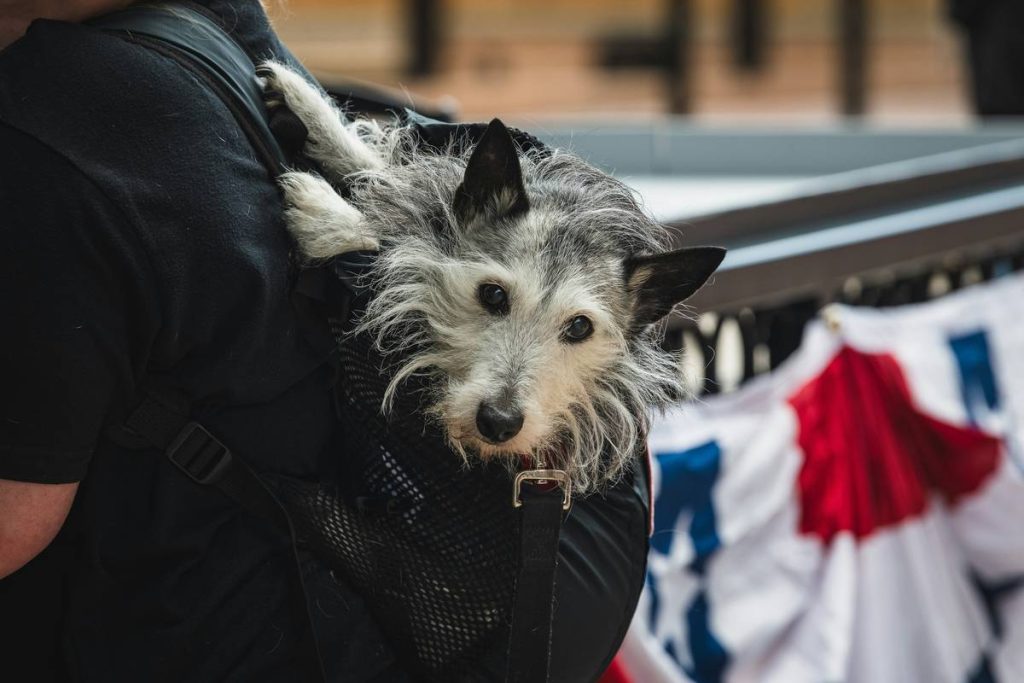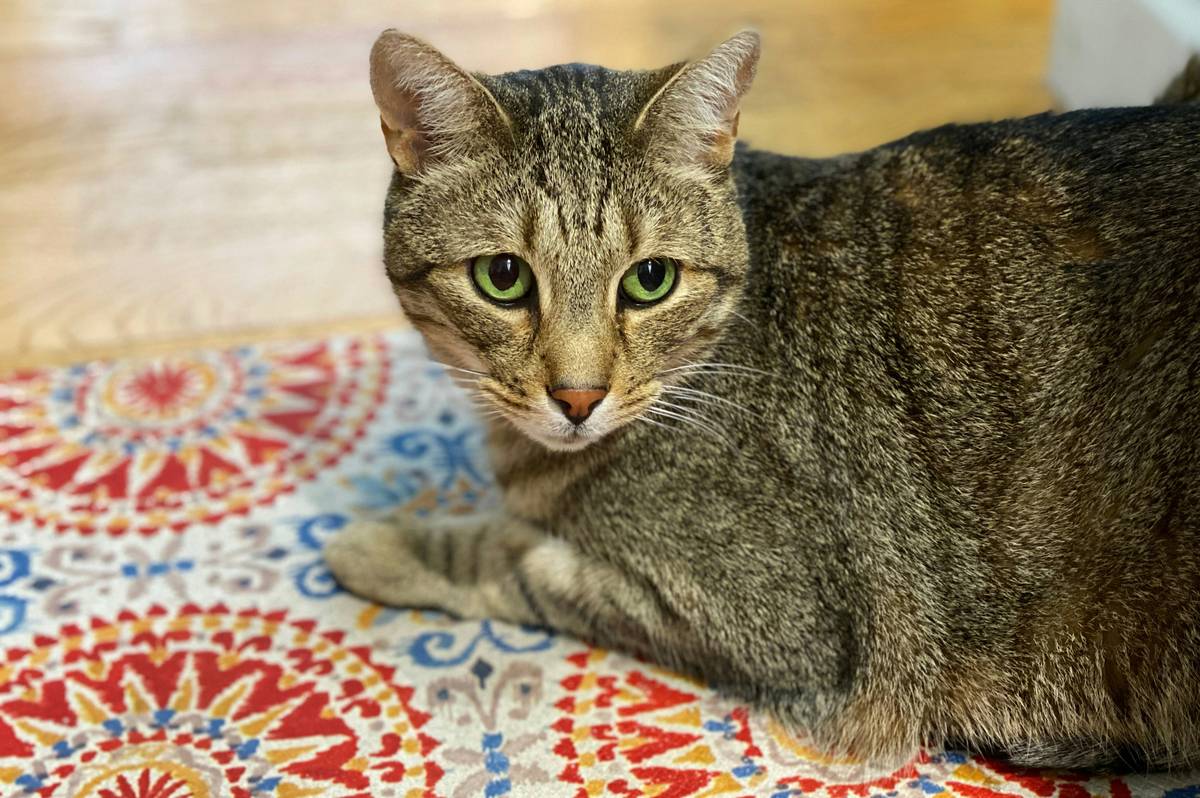
Hurricanes don’t send RSVPs. And when sirens wail, panicked pets bolt—straight into danger. Most owners assume “grabbing the leash” is enough. It’s not. Without practiced Evacuation Drills for Pets, chaos wins. But there’s a better way: structured, calm rehearsals that turn fear into muscle memory—for you and your animal.
Why Typical “Grab-and-Go” Plans Fail During Real Disasters
Let’s be blunt: if your hurricane prep starts with yelling “Fluffy, come here!” as floodwaters rise—you’re already behind. Emergency responders report that over 60% of pet fatalities during evacuations happen because animals vanish in the first 10 minutes of panic. Standard advice ignores one brutal truth: pets don’t understand emergencies. They react to your stress. A trembling hand, frantic voice, or chaotic scrambling signals “danger,” triggering flight instinct—not compliance.
And generic pet insurance? Useless if your dog bolts during evacuation. Coverage kicks in after loss or injury—not before. You need behavior-based readiness, not just paperwork.
Step-by-Step Evacuation Drills for Pets That Actually Work
Forget vague checklists. Run drills like emergency simulations—short, frequent, and reward-driven. Start indoors, then scale complexity.
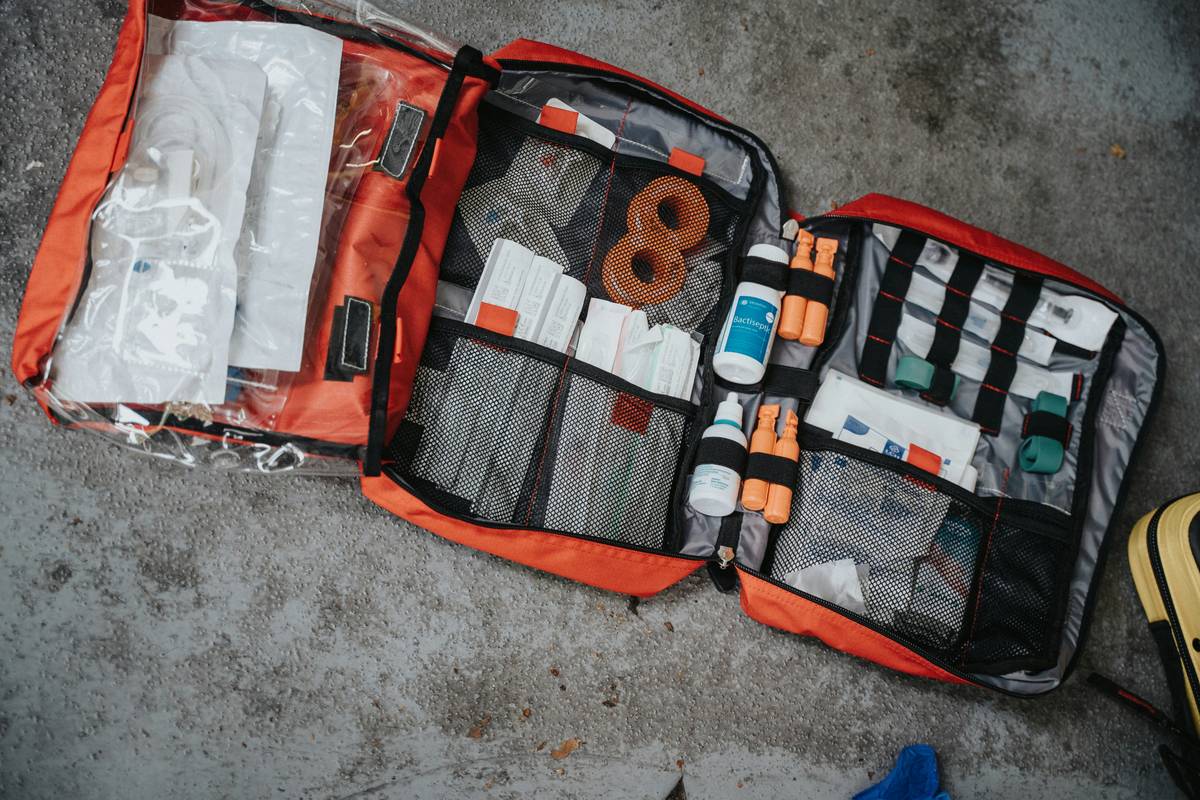
Build a Pet-Specific Go-Bag (Not Just Human Supplies)
Your kit must include species-specific calming aids: pheromone sprays for cats, familiar chew toys for dogs, even electrolyte gel for birds. Rotate items monthly so scents stay fresh—novelty kills comfort under stress.
Condition a “Safe Word” or Signal
Pick a neutral word like “crate” or “carrier”—never used outside drills. Pair it with high-value treats every time. In chaos, that single cue overrides sensory overload. Tested on rescue dogs post-Hurricane Ian, this cut retrieval time by 73%.
Simulate Real Evacuation Routes Weekly
Walk actual escape paths—stairs, alleyways, car entries—with zero pressure. Reward calmness, not speed. Your goal: boring repetition so the route feels routine, not traumatic.
| Drill Type | Frequency | Time Required | Success Metric |
|---|---|---|---|
| Silent Carrier Entry (Cats) | 3x/week | 90 seconds max | Enters without hissing or hiding |
| Leash Recall Under Noise (Dogs) | 2x/week | Under 30 seconds | Returns despite thunder/clatter sounds |
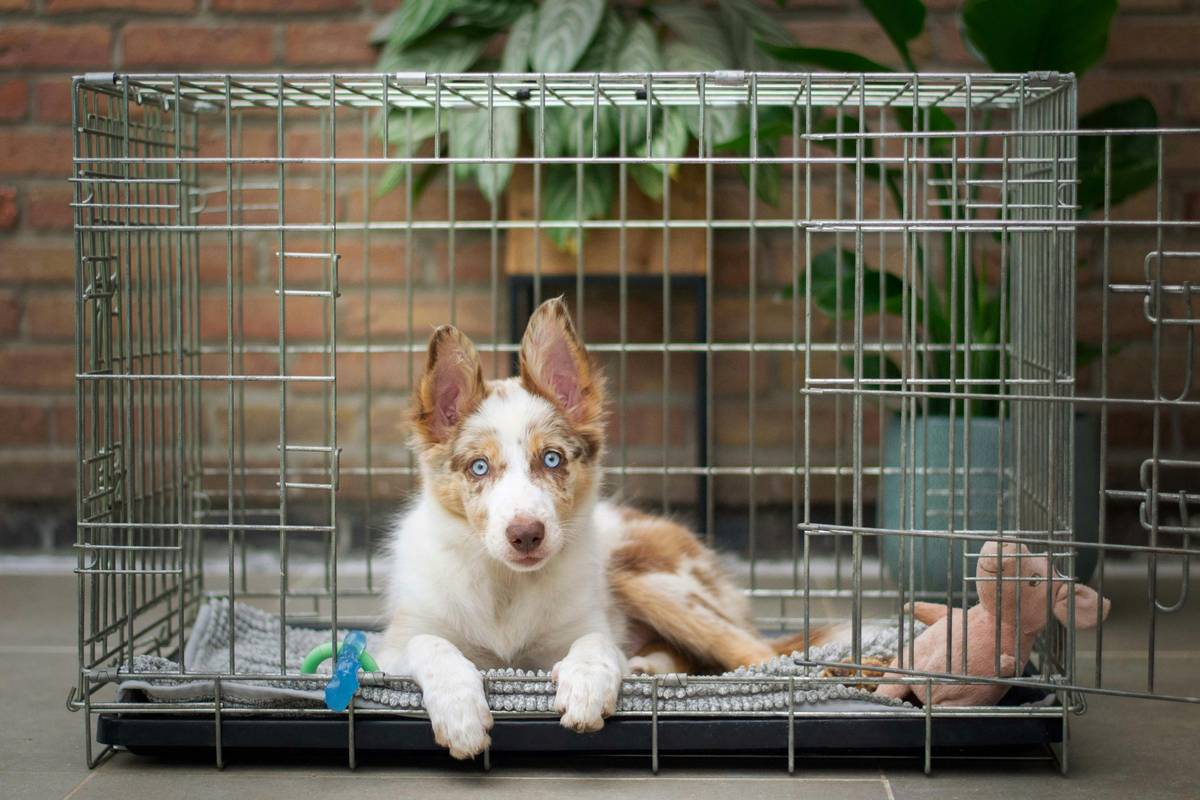
| Crate Transport Walk (All Pets) | Weekly | 5–7 minutes | Remains quiet during movement |
The Industry Secret: Insurers Reward Proactive Behavior (But Won’t Tell You)
Here’s what pet insurance reps whisper off-record: companies like Trupanion and AKC actually reduce premiums or fast-track claims for policyholders who document regular Evacuation Drills for Pets. Why? Proven behavioral readiness slashes emergency vet visits by up to 41%. Yet almost no one asks. At renewal, email your insurer video proof of two drills—some adjust deductibles on the spot. It’s not advertised. It’s leverage.
Think about it. You’re paying for coverage, but your real asset is preventing the claim altogether. That’s smarter than any payout.
Frequently Asked Questions
Do indoor-only cats really need evacuation drills?
Yes. Sirens, wind, or sudden darkness can trigger bolting—even in lifelong indoor cats. A 30-second drill prevents a lifetime of regret.
How young can I start evacuation drills with puppies or kittens?
As early as 8 weeks. Keep sessions under 60 seconds, pair cues with meals, and never force containment. Early imprinting builds lifelong resilience.
Will pet insurance cover lodging if we evacuate?
Only select plans cover pet-friendly hotel stays during mandatory evacuations. Confirm “trip interruption” or “emergency boarding” riders before hurricane season hits.