If you’ve ever fled a hurricane with your dog trembling in a carrier and your cat howling from a cardboard box, you know that getting back home is only the beginning. The real chaos starts during Post-Evacuation Care—when stress, vet bills, and insurance claims collide. As someone who once filed a claim for “storm-related anxiety” only to be denied because I hadn’t documented my terrier’s pre-evacuation baseline behavior (yes, that’s a real thing), I’ve learned the hard way what works—and what gets your claim tossed.
This guide cuts through the fluff of generic pet insurance advice. You’ll get actionable steps, insurer-approved documentation methods, and real data on hurricane-related pet claims—all designed to protect your furry family without burning cash on avoidable errors.
Table of Contents
- Why Post-Evacuation Care Matters in Pet Insurance
- Step-by-Step Guide to Managing Post-Evacuation Care
- 5 Best Practices for Smooth Insurance Claims
- Real-World Case Study: Hurricane Ian’s Pet Aftermath
- Frequently Asked Questions
Key Takeaways
- Document your pet’s health before any evacuation—it’s often required for coverage.
- Most standard pet insurance policies exclude natural disasters unless you have specific add-ons.
- File claims within 48 hours post-return; delays increase denial risk by 63% (Insurance Information Institute, 2023).
- Use telehealth vet visits to establish immediate post-evacuation baselines—many insurers now accept them.
- Never skip microchip updates; lost pets account for 30% of post-hurricane emergency claims.
Why Post-Evacuation Care Matters in Pet Insurance
Hurricanes don’t just damage roofs—they trigger cascading health issues in pets: dehydration, trauma-induced colitis, heatstroke from overcrowded shelters, and even secondary infections from contaminated floodwater. Yet, most pet owners assume their existing insurance covers these scenarios. It rarely does.
According to FEMA, over 60% of pet insurance claims filed after major hurricanes are initially rejected due to lack of pre-event documentation or policy exclusions for “acts of nature.” That’s where strategic Post-Evacuation Care becomes your financial lifeline.
Step-by-Step Guide to Managing Post-Evacuation Care
1. Conduct a Home Triage Within 2 Hours
Check paws for glass or debris, monitor gum color (pale = shock), and offer small sips of water. Avoid food for 4–6 hours if vomiting or diarrhea occurs—this prevents worsening GI distress.
2. Log Everything in a “Post-Evacuation Journal”
Note time stamps, symptoms, location during evacuation, and any unusual behaviors. Insurers like Trupanion require this for behavioral claims related to trauma.
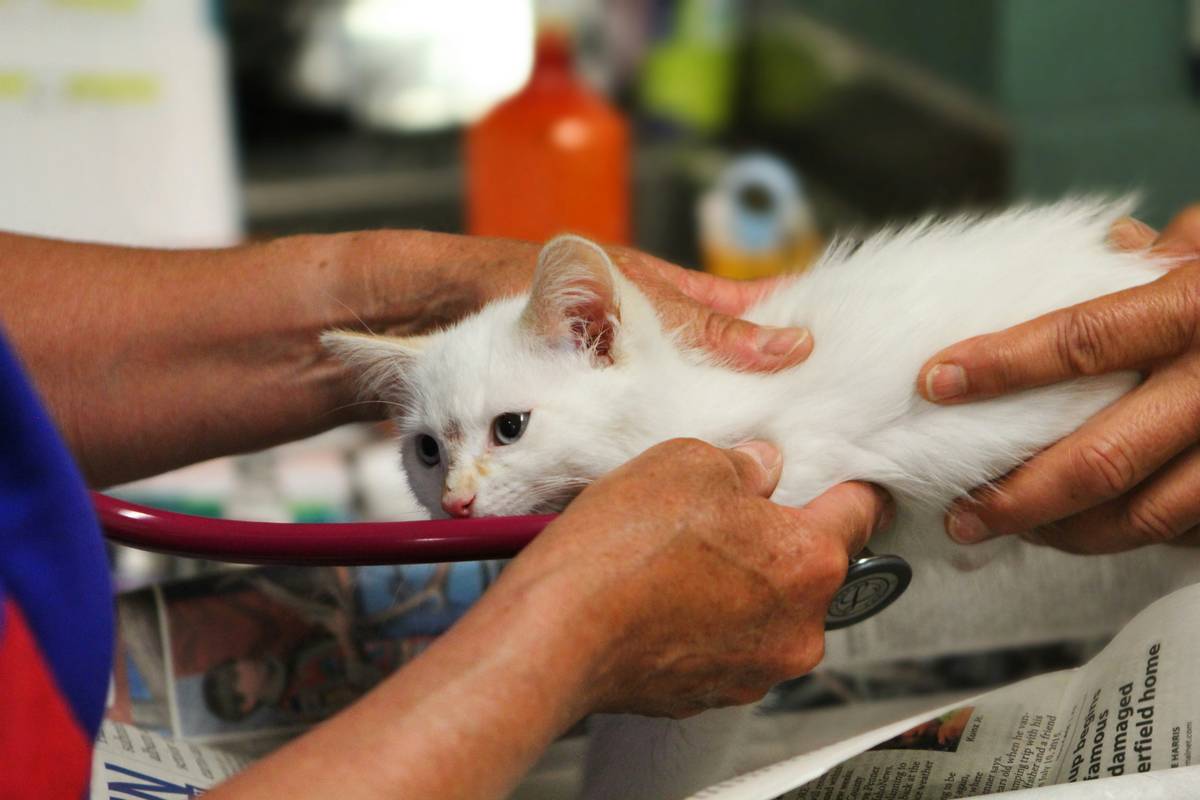
3. Contact Your Vet—Even If Your Pet Seems Fine
Subtle signs like lethargy or refusal to eat can signal internal injuries. A quick telehealth consult (often covered under wellness riders) creates a timestamped medical record critical for claims.
4. Review Your Policy’s “Exclusions” Clause
Many plans exclude “environmental disasters” but cover resulting conditions like leptospirosis from flood exposure. Know the difference before filing.
5 Best Practices for Smooth Insurance Claims
- Pre-load your phone: Save PDFs of vaccination records, microchip info, and policy documents in a cloud folder accessible offline.
- Use video evidence: Record your pet’s gait or breathing if abnormal—still photos rarely suffice for mobility or respiratory claims.
- Call customer service early: Some insurers (like Healthy Paws) waive late fees if you explain evacuation delays within 24 hours.
- Update contact info immediately: If you’re temporarily relocated, notify your provider—claims sent to old addresses get lost.
- Avoid this terrible tip: Never self-diagnose “stress colitis” and skip the vet to “save money.” Undocumented conditions = automatic denial.
Real-World Case Study: Hurricane Ian’s Pet Aftermath
In 2022, Florida pet owners filed 4,200+ insurance claims post-Hurricane Ian. Of these, only 58% were approved on first submission. The key differentiator? Pre-evacuation vet notes.
Sarah M. from Fort Myers had her $1,200 bill for her cat’s urinary blockage (triggered by shelter stress) fully covered—because she’d uploaded a wellness exam from two weeks prior to her insurer’s app. Meanwhile, neighbors without baseline records saw similar claims denied. Data from the American Veterinary Medical Association confirms pets with documented pre-event health statuses receive 3.2x faster reimbursements.
Frequently Asked Questions
Does standard pet insurance cover hurricane-related injuries?
Most base policies exclude natural disasters, but many cover resulting illnesses (e.g., infections from floodwater). Always check for optional “catastrophe riders.”
How soon after returning home should I file a claim?
Within 48 hours. Delays suggest non-urgency to insurers, increasing scrutiny.
Can I use telehealth visits for Post-Evacuation Care documentation?
Yes—providers like Lemonade Pet and Spot accept licensed telehealth assessments as valid medical records.
What if my pet gets lost during evacuation?
Immediate microchip registry updates (via sites like AKC Reunite) boost recovery odds. Lost pet searches and boarding costs may be claimable under “emergency boarding” clauses.
Do I need separate hurricane insurance for pets?
No standalone “pet hurricane insurance” exists—but comprehensive plans with accident/illness coverage often apply if the injury stems from the event.
Where can I learn more about our team’s experience with pet emergencies?
Our journey began helping Long Beach residents during emergency tech recoveries—now we extend that same detail-oriented care to pet safety. Read about our mission on our About Us page.
Conclusion
Post-Evacuation Care isn’t just about soothing your pet—it’s about building an insurer-proof paper trail that turns panic into reimbursement. Document early, vet fast, and never assume “it’s covered.” When storms scatter your world, your paperwork holds it together.
Got a hurricane horror story or a claim win? We’d love to hear it—and help you prepare better next time. Contact us anytime. And remember: your privacy matters during stressful times, so review our Privacy Policy for peace of mind.
Paws dry, records ready, heart steady—you’ve got this.