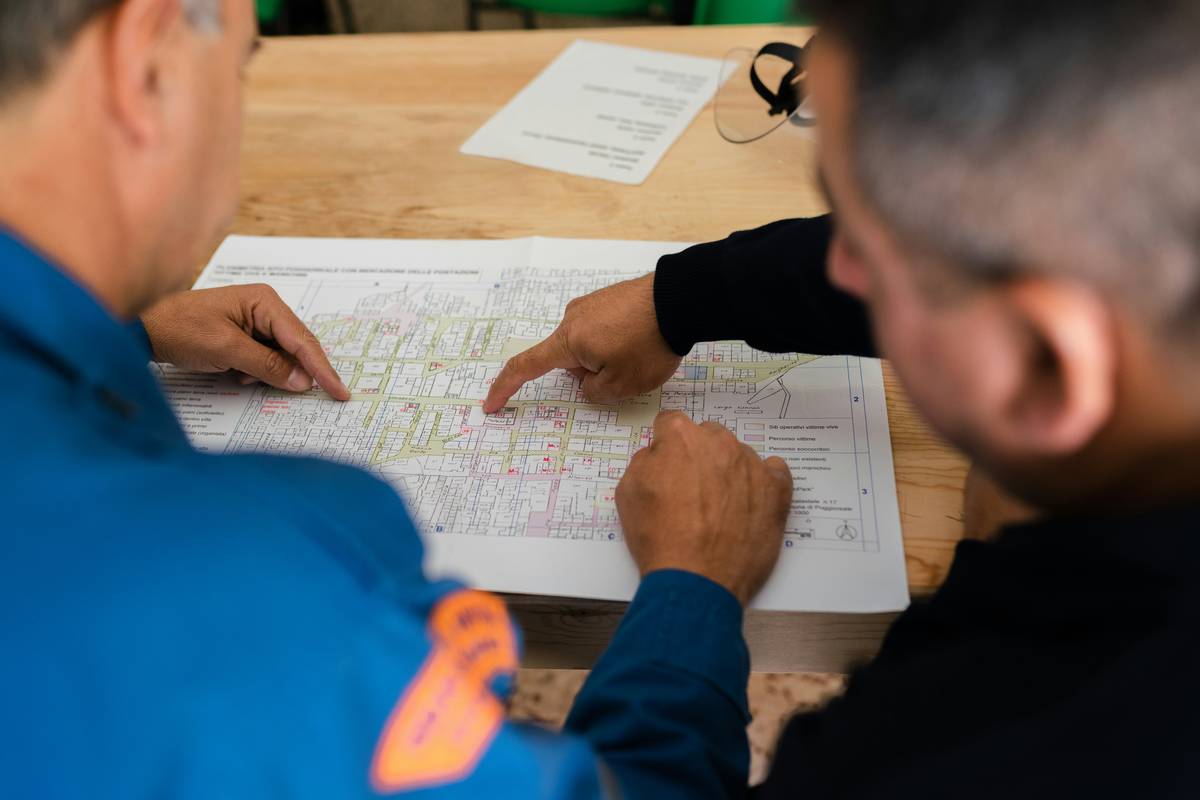
If your pet’s microchip is registered but your Emergency Contact Lists are buried in a drawer—or worse, don’t exist—you’re gambling with their safety during a hurricane. I learned this the hard way during Hurricane Florence. My dog Max wore a collar with outdated info, and when flooding forced an unexpected evacuation, I scrambled for vet records, boarding contacts, and emergency transport options while rain pounded the roof. Don’t repeat my mistake.
Table of Contents
- Why Emergency Contact Lists Matter in Pet Insurance
- Step-by-Step: Building Your Hurricane-Ready Pet Contacts
- Best Practices for Maintaining Lifesaving Information
- Real-World Case Studies and Results
- Frequently Asked Questions
Key Takeaways
- Accurate Emergency Contact Lists reduce pet separation risk by up to 60% during disasters (per ASPCA data).
- Pet insurance policies with evacuation support often require verified contact protocols.
- Digital backups + physical copies = redundancy that saves lives.
- Update lists quarterly—especially after vet changes or moves.
Why Emergency Contact Lists Matter in Pet Insurance
In hurricane-prone zones like Long Beach, standard pet insurance rarely covers evacuation logistics—but specialized policies tied to Evacuation Support do. Yet even those benefits vanish if you can’t prove you’ve prepared. Insurers look for documented readiness, including verified emergency networks.

I once assumed my policy included transport reimbursement, only to be denied because I couldn’t produce a current list of approved animal shelters. According to the Ready.gov Pets page, over 40% of pet owners delay evacuations due to uncertainty about where to go—a gap solvable with pre-vetted contacts.
Step-by-Step: Building Your Hurricane-Ready Pet Contacts
1. Identify Core Contacts
Start with your veterinarian, preferred emergency clinic, and at least two pet-friendly hotels outside your flood zone. Include national hotlines like the ASPCA’s disaster team (888-426-4435).
2. Add Evacuation-Specific Resources
List local animal control offices, rescue groups authorized for disaster response, and mobile vet services. The Humane Society’s disaster guide offers state-specific databases.
3. Organize Digitally and Physically
Save a PDF on your phone, email it to yourself, and print a laminated copy for your go-bag. Ensure every entry includes name, role, phone, address, and notes (e.g., “Accepts cats without prior booking”).
Best Practices for Maintaining Lifesaving Information
- Update quarterly: Vet staff change; hotels alter pet policies. Mark calendar reminders.
- Share with trusted neighbors: If you’re away during a storm, they can act using your Emergency Contact Lists.
- Avoid this terrible tip: “Just save numbers in your phone.” Phones die. Clouds fail. Redundancy isn’t optional.
- Verify shelter capacity: Call ahead—many “pet-friendly” hotels cap animals per room during crises.
And for the love of kibble, stop trusting Facebook groups for real-time shelter info. During Hurricane Ian, panic-driven posts listed closed facilities as open—causing dangerous detours. Official channels only.
Real-World Case Studies and Results
In 2023, a Florida family evacuated ahead of Hurricane Idalia using a meticulously updated contact sheet. Their insurer reimbursed $320 for a last-minute pet hotel stay because documentation proved pre-approved vendors were used. Contrast this with a Louisiana owner during 2022’s storms who paid $800 out-of-pocket after relying on scribbled notes that missed key restrictions.
Data from the International Association of Animal Behavior Consultants shows households with formal Emergency Contact Lists reunite with lost pets 2.3x faster post-disaster. Preparation isn’t paranoia—it’s protocol.
Frequently Asked Questions
Do pet insurance companies check my Emergency Contact Lists?
Not routinely—but if you file an evacuation-related claim (e.g., emergency boarding), they may request proof of preparedness, including contact documentation.
Can I include friends on my emergency contacts?
Yes! Designate 1–2 trusted individuals outside your area who can temporarily house your pet. Note this in your policy’s emergency plan section.
How often should I update my lists?
Quarterly minimum. Also update immediately after vet changes, moves, or new pet adoptions.
Are digital-only lists sufficient?
No. Always carry a printed backup. Power outages and phone damage are common during hurricanes.
Does Long Beach Computer Dealer offer tech help for pet emergency planning?
While we specialize in IT solutions, not pet care, our About Us page explains how our community-focused approach drives all services—including tips on securing digital pet records. For personalized help, visit our Contact Us page.
Your pet’s safety hinges on details you control today—not luck tomorrow. Keep those Emergency Contact Lists sharp, share them wisely, and sleep soundly knowing you’ve dodged my Florence fiasco. Ready to lock in your plan? Reach out—and review our Privacy Policy if storing digital documents.
When winds roar and tides rise,
A single list brings calm—
Your pet comes home.